Looking Through the Windscreen: Board Insights with Fraser Whineray
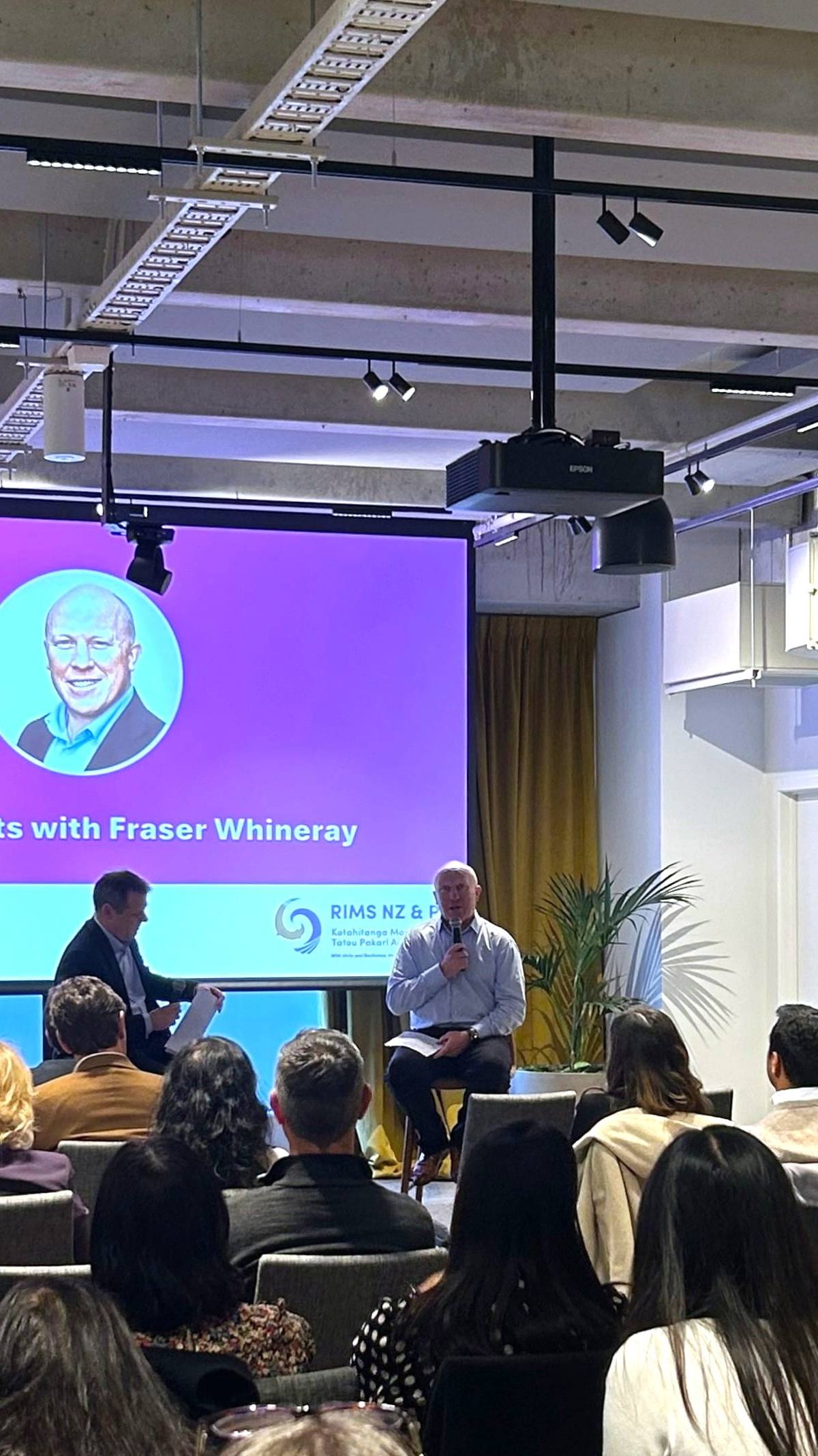
What separates a capable Executive from a genuinely valuable strategic leader?
That was one of the key themes explored when Find Recruitment hosted Fraser Whineray as part of our Insights Series.
Fraser is the former Chief Executive of Mercury and former Chief Operating Officer of Fonterra. He is currently Independent Chair of Ten Peaks and a Non-Executive Director of Waste Management and Port of Tauranga.
Drawing on his extensive Executive and governance experience, Fraser shared practical insights into what Boards expect from senior leaders, how effective governance supports business performance and why executives must look beyond their own area of responsibility.
Think beyond your function!
Fraser’s central message was that technical expertise is simply the price of admission for Senior Executives.
Boards increasingly value leaders who take an enterprise-wide view of the organisation. This means understanding how finance, risk, operations, people, customers and strategy connect, rather than focusing solely on one functional area.
The executives who earn the confidence of their Board do more than report on historical performance. They identify emerging risks, recognise future opportunities and help directors understand where the organisation needs to be over the next one to two years.
Board culture sets the tone
The behaviour of a Board has an impact well beyond the boardroom.
During periods of uncertainty, employees, customers and investors take their cues from leadership. A Board that demonstrates trust, alignment and constructive debate builds confidence throughout the organisation. A divided Board can amplify uncertainty.
Fraser warned against knee-jerk decision making, describing it as having everyone “shift to one side of a dinghy at once.”
Good governance requires balance, particularly when conditions are challenging.
The standards a Board expects from the wider organisation must first be demonstrated by the Board itself. If directors expect collaboration, accountability and open communication, they need to model those behaviours.
Let capable executives lead
Fraser also spoke about the importance of empowering management.
A Board’s role is to set direction, provide oversight and support the executive team. It should not become involved in every operational decision.
As Fraser put it, he only “grabs the steering wheel” when there is an imminent accident.
Giving capable executives the space to lead creates accountability, develops future leaders and strengthens trust between the Board and management. Governance should step in when significant risks arise, but it should not prevent management from doing its job.
Fraser also expressed a preference for smaller Boards, suggesting that around six directors can provide the right balance of diverse thinking, accountability and effective decision making.
Accountability and director liability
One of the most memorable comments of the session was Fraser’s straightforward summary of a director’s fundamental responsibilities:
“Don’t lie and don’t go bankrupt.”
Accountability is essential, but Fraser questioned whether the increasing level of personal liability faced by directors could discourage experienced and capable leaders from taking on governance roles.
Finding the right balance between holding directors accountable and continuing to attract high-quality governance talent will remain an important issue for New Zealand businesses.
Cash flow is the lifeblood of a business
Strong financial leadership extends well beyond reporting results.
Fraser described cash flow as “the blood running through an organisation’s arteries.”
Healthy cash flow enables a business to invest in its people, improve its services, innovate and pursue future growth. Culture, customer relationships and organisational capability are all valuable, but none can be sustained without sound financial foundations.
Standing still is also dangerous. Fraser compared it to “running the wrong way up an escalator.” If an organisation is not actively improving, it risks moving backwards.
High-performing businesses continue to challenge assumptions, welcome healthy competition and look for better ways of creating value for customers, shareholders, employees and the wider community.
Make Board time count
Board time is one of an organisation’s most valuable resources, so executives need to use it well.
The strongest Board papers are concise, clearly structured and focused on the decisions directors need to make. Executives should also read the full Board pack, understand the wider business agenda and be prepared to contribute beyond their immediate area of responsibility.
This demonstrates commercial maturity and reinforces that the executive is thinking about the success of the entire organisation.
Look through the windscreen
Perhaps Fraser’s most enduring message was that effective executives help Boards “look through the windscreen rather than the rear-view mirror.”
Historical performance is important, but Boards rely on management to anticipate what lies ahead. They need executives who can identify emerging opportunities and risks, provide clear advice and support better decision making.
This reflects what we are seeing across the executive recruitment market. Organisations are increasingly looking for leaders who combine technical expertise with commercial judgement, strategic thinking and an enterprise-wide perspective.
A useful question for any senior executive is:
“Am I simply reporting what has happened, or am I helping the Board understand what matters most, what lies ahead and what decisions need to be made next?”
Exceptional executives do more than manage a function. They connect strategy with execution, empower others to lead and give Boards the insight and confidence required to navigate an increasingly complex future.
Would like to attend our next Find Insights Series event? Reach out to Simon Rooney simon.rooney@findrecruitment.co.nz